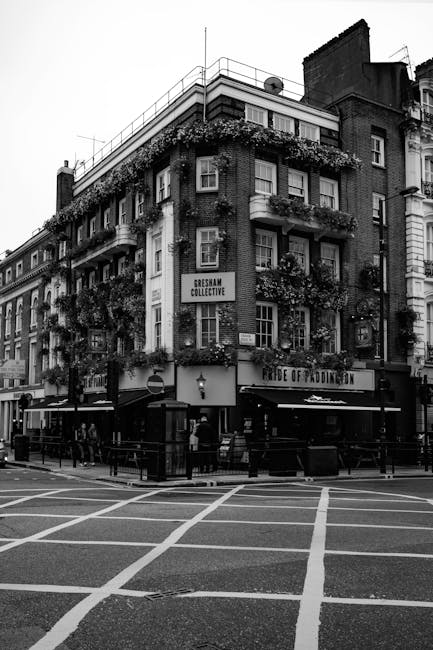
Westminster Council permits for Paddington skips & removals
If you are arranging a skip, a house move, or a bulky clearance in Paddington, the paperwork can feel like the least exciting part of the job. But Westminster Council permits for Paddington skips & removals are exactly the sort of detail that can save you from headaches later. A permit may be needed if a skip or removal vehicle will sit on a public road, block access, or take up controlled space near your property. Miss that step, and you may end up with delays, extra charges, or a very awkward conversation with enforcement. Not ideal.
This guide breaks the whole thing down in plain English: when permits matter, how the process usually works, how to plan removals around local restrictions, and what to do if you want everything handled cleanly and calmly. You will also find a comparison table, a practical checklist, and a few real-world examples from the kind of jobs people actually face in Paddington.
Why Westminster Council permits for Paddington skips & removals Matters
Paddington sits in a busy part of Westminster, which means road space is valuable and often tightly managed. A skip left on a public street without the right permission can become a problem very quickly. So can a removal vehicle that parks in a controlled bay, on single yellow lines, or in a narrow access road during busy hours. Even if the job itself is straightforward, the location may not be.
That is why Westminster Council permits for Paddington skips & removals matter. They are not just admin for admin's sake. They help make sure the vehicle, skip, or loading activity is lawful, safe, and less disruptive to neighbours, traffic, and pedestrians. In practice, this often means the difference between a smooth move and a rushed one where everyone is peering out of windows while a driver tries to shuffle a van into place. Nobody enjoys that.
For skip hire, the permit question is usually simple: if the skip goes on a private driveway, private forecourt, or other private land, permission from the council may not be needed. If it goes on the road, it often is. For removals, the issue is a little broader. You might not need a formal "removal permit" in the same way you would for a skip, but you may still need to think about parking, loading restrictions, access arrangements, and timing. In other words, the permit is part of the planning, not a separate chore you can ignore.
Key takeaway: if your skips or removals involve public space in Paddington, check the permit and parking position early. The later you leave it, the more expensive and stressful it becomes.
How Westminster Council permits for Paddington skips & removals Works
In simple terms, the council wants to know when an object is being placed or operated in a public place. That includes skips, some loading activity, and anything that could obstruct the highway. The exact rules depend on location, street type, traffic conditions, and whether the area already has restrictions. So there is no one-size-fits-all answer, even if it would be lovely if there were.
With skips, the permit is generally linked to the skip being on the road rather than on private land. The council may also expect visible safety measures, such as lights or cones, depending on the arrangement. For removals, the permit issue is usually indirect. The removal team may need a legal place to park the van, a loading bay reservation, or enough time in a permitted area to load heavy items without rushing. If your building has concierge access, a service entrance, or a private courtyard, that can change the picture considerably.
There is also a practical difference between a short job and a long one. A quick sofa pickup from a flat on a side street is not the same as a full household move from a top-floor apartment with no lift. If you are using a man with van Paddington service, the planning is often about efficient access and timing. If you are arranging a larger move, a full house removals Paddington job may need more detailed scheduling, parking awareness, and staged loading.
Best practice is to treat permits as part of the move plan from day one. Honestly, that alone prevents most of the common problems.
Key Benefits and Practical Advantages
Getting permits and access planning right offers more than compliance. It makes the whole operation feel orderly. Less waiting around, less double-handling, fewer last-minute calls, and fewer awkward questions from residents or building managers.
- Less risk of fines or enforcement action: the obvious one, but worth saying.
- Smoother loading and unloading: when the vehicle can stop legally and sensibly, the team works faster.
- Better protection for neighbours and pedestrians: safer access matters in busy streets and tight terraces.
- More accurate scheduling: if parking is sorted, arrival and completion times are easier to predict.
- Lower chance of damage: rushed unloading because of parking pressure often leads to clumsy handling.
- Better coordination with building rules: useful in blocks with concierge desks, service lifts, or timed access slots.
There is also a quiet financial benefit. A permit mistake can create knock-on costs: waiting time, extra handling, rescheduling, or another trip if the van cannot park where expected. That can be more expensive than taking twenty minutes to sort the paperwork properly in the first place. Bit boring, yes. But very sensible.
If you are dealing with bulky items, it can also help to pair the legal side with a clear service plan. For example, some residents choose a combined approach that includes removal services Paddington and organised packing, so the team can load efficiently once they arrive. That is especially helpful when the street is busy and every minute matters.
Who This Is For and When It Makes Sense
This topic is relevant to more people than you might think. It is not just for large construction jobs or big office clear-outs. In Paddington, permits and access planning come up in everyday situations all the time.
- Home movers: if you are relocating from a flat, maisonette, or house and the van must stop on a public road.
- People hiring skips: especially for renovations, decluttering, garden clearances, or end-of-tenancy clear-outs.
- Landlords and agents: when a property needs rapid turnover after tenants leave.
- Students: if you are moving in or out of a shared flat and the street space is tight.
- Small businesses: office refreshes, archive clear-outs, or furniture disposal.
- Anyone moving large or awkward items: wardrobes, pianos, heavy desks, and the like.
It makes sense any time the job is likely to involve a stop on public land, a narrow street, time-limited parking, or a building with strict access rules. If you are moving within Paddington or just beyond it, you may also want to think about route planning and timing. A short move can still be tricky if it is happening near the station, in a one-way street, or during peak traffic. For that sort of planning, a local read like removals near Paddington Station best routes timings can be surprisingly useful.
And if you are choosing between handling everything yourself or bringing in help, it is worth comparing the job size honestly. A tiny clear-out and a full family move are not the same beast. Not even close.
Step-by-Step Guidance
Here is the practical route we would suggest. Nothing fancy. Just the kind of sequence that helps you stay ahead of the problems rather than reacting to them.
- Identify what is being placed or parked. Is it a skip, a removal van, a small man-and-van job, or a combination of services?
- Check whether public space is involved. If the item or vehicle stays on private land, the permit requirement may be very different.
- Look at the street conditions. Controlled parking, narrow access, loading restrictions, residents' bays, and time limits all matter.
- Measure the real loading needs. Think about stair access, lift availability, item size, and how many trips the team will need.
- Book the right service level. A simple van collection may be enough, or you may need fuller support such as man and a van Paddington or a more structured removal crew.
- Plan the timing carefully. Early mornings can be helpful, but only if building rules and local restrictions allow it.
- Confirm who is handling the permit. In many cases, the hirer, homeowner, landlord, or removal firm will need to coordinate this in advance.
- Prepare items before the vehicle arrives. Proper boxing and labelling help the team load quickly and keep the job within the agreed window.
- Keep a buffer for delays. Traffic, lift access, and parking changes happen. Paddington can be a bit unforgiving about that.
If you are not sure whether the task is more like a skip hire, a furniture move, or a full clearance, step back and look at the contents list. That one move usually tells the story. Heavy waste? Think skip or clearance. Furniture and boxes? Removals. Mixed job with awkward access? Likely a hybrid plan.
Expert Tips for Better Results
Over the years, one thing becomes very clear: most permit problems are actually planning problems in disguise. You rarely get caught out by the paperwork alone. Usually, it is the street, the timing, or the access assumption that trips people up.
Tip 1: allow more space than you think. A van that technically fits may still be awkward if doors need to open fully or if another vehicle is squeezing past. Tight corners eat time.
Tip 2: keep your building manager in the loop. If you live in a block with service lifts or a loading bay, ask what the rules are before the move day. It saves a lot of back-and-forth.
Tip 3: package early. A well-packed home reduces handling time. If you want a simple, no-drama approach, it helps to package your items and wait for us to come rather than trying to box things while the vehicle is already outside. That last-minute rush is where half the stress lives.
Tip 4: choose the right arrival window. Traffic around Paddington can shift quickly. A slot that looks fine on paper may not feel fine in real life. For some jobs, it is better to we will deliver at the best time for you so the job lands when access is calmer.
Tip 5: be realistic about item size. One piano, one wardrobe, or one awkward antique cabinet can change the plan completely. If the item is especially delicate or heavy, specialist handling is worth considering. No one wants a scratched stairwell or a strained back.
Tip 6: ask about recycling pathways. If your job includes disposal, look for a service that takes sustainability seriously. That way, you are not just clearing space; you are doing it properly. A service with a clear recycling and sustainability approach can make the choice easier.
And one small human truth: when people say, "It's only a few items," it is very often not only a few items. The sofa, the boxes, the broken chair, the lamp you forgot about, and somehow a printer from 2009. Life is funny like that.
Common Mistakes to Avoid
Here are the mistakes that cause the most trouble, especially in central London areas where space and enforcement are both tight.
- Assuming a skip can go anywhere: road placement usually changes the rules.
- Leaving permit checks until the last minute: this leads to poor availability and awkward scheduling.
- Ignoring parking restrictions: a van can be legal to drive but still illegal to stop where you want.
- Underestimating loading time: stairs, lifts, and corridor distances add up fast.
- Not checking landlord or building rules: some properties have stricter access times than the street itself.
- Booking the wrong size vehicle: too small, and you need extra trips; too large, and the access may be impossible.
- Forgetting to tell neighbours or concierge: that can create avoidable friction on the day.
- Mixing disposal and removals without a plan: disposal jobs and relocation jobs often need different handling.
The biggest trap is probably this: people believe the move is the hard bit and the permit is the easy bit. In busy parts of Westminster, it is often the other way around. Get the access sorted, and the move suddenly feels much lighter.
Tools, Resources and Recommendations
You do not need a stack of complicated tools for this. What you need is a clear set of practical checks and a couple of simple habits.
- Room-by-room inventory: useful for seeing whether you need a skip, a van, or both.
- Measurements of large items: doorways, stair turns, lifts, and the item itself.
- Photos of the access point: surprisingly helpful when discussing the job with movers or organisers.
- Calendar reminder for permit deadlines: a simple one, but it stops things slipping.
- Packing materials: strong boxes, tape, blankets, and labels. Basic, yes. Essential, also yes.
If you are comparing local moving support, a good starting point is a service overview that shows the available options without fluff. You can also look at services overview to understand how a moving company structures different job types. That can help you decide whether your situation is better suited to a smaller vehicle, a full removals team, or a specialised approach.
For pricing questions, it is sensible to get a written quote rather than guess. If the job involves restricted access or permit-related complexity, those details should be clear from the start. A transparent pricing and quotes page is usually where people begin comparing options.
And if you want to keep the job moving without constant phone tag, a simple contact form can do a lot of the heavy lifting. Sometimes plain old clear communication really is the best tool in the box.
Law, Compliance, Standards, or Best Practice
When people talk about Westminster Council permits for Paddington skips & removals, they are usually talking about local highway control, safe loading, and lawful placement of items or vehicles in public space. The exact requirements depend on the situation, and it is wise to treat any council-related process carefully rather than assuming a shortcut will work.
In UK practice, the broad compliance principles are fairly consistent:
- Do not obstruct the highway without permission.
- Use safe loading methods. Heavy items should be handled with care and the right equipment.
- Respect parking rules and time restrictions.
- Keep access routes clear for emergency and pedestrian use.
- Use insured, competent help for heavy or awkward items.
If you are hiring a removal provider, it is worth checking whether they have clear policies around safety and handling. For example, some customers like to review insurance and safety information before booking, especially if the job includes stairs, narrow hallways, or fragile furniture. That is just sensible due diligence.
Likewise, if you are arranging a move in a flat block, you may want to know how the company handles conduct, complaint resolution, and service expectations. Those details are not glamorous, but they matter. A professional operator should be able to explain them without side-stepping the question.
Best-practice note: if there is any doubt about whether the item, skip, or vehicle will sit on public land, assume the permit question needs answering before the booking is final. That is the safe way to do it.
Options, Methods, or Comparison Table
Different jobs need different setups. Here is a straightforward comparison to help you choose the right route.
| Option | Best for | Permit or access concern | Typical advantage |
|---|---|---|---|
| Skip on private land | Renovation waste, decluttering, mixed rubbish | Usually lower if fully private, though access still matters | Simple collection and no street obstruction |
| Skip on public road | Jobs with no driveway or forecourt | Often needs council permission and safe placement | Convenient where private space is unavailable |
| Man and van | Smaller moves, single-item transport, quick collections | Parking and loading rules still need checking | Flexible and usually efficient for lighter loads |
| Full removals team | House moves, flats, offices, larger inventories | More planning needed for vehicle positioning and timing | Better for bulky, fragile, or time-sensitive moves |
| Specialist item move | Pianos, antiques, heavy furniture | Access checks are critical, especially stairs and lifts | Safer handling for valuable or awkward items |
If you are looking at delicate or high-value items, specialist support can be worth it. A dedicated piano removals Paddington service, for instance, is a better match than improvising on the day. Pianos and narrow stairwells do not play nicely together. Never have, probably never will.
For bigger domestic moves, the choice often comes down to scale and stress tolerance. A flat move may be manageable with a smaller team, while a family house move usually benefits from a fuller setup such as flat removals Paddington or house removals Paddington, depending on the property type and amount of furniture involved.
Case Study or Real-World Example
Imagine a couple moving out of a two-bedroom flat in Paddington. They have a sofa, dining table, several boxes, and a few awkward bits that they want removed rather than taken to the new place. The building is on a busy street with limited curb space and no private driveway. The first instinct is usually to think, "We'll just book a van and sort the rest on the day."
That can work in some places. In Paddington, it can go sideways fast.
Instead, they check the street situation early, confirm what the building allows, and plan the loading window around access. They split the job into two parts: items going to the new home, and items going for disposal. They also arrange packing ahead of time so the movers can get straight to work. The result is a cleaner handover, less lifting back and forth, and far less pressure on the day.
Now compare that with a second scenario: a landlord needs a rapid clear-out after tenants leave, with a mixture of furniture and waste. Here, the permit and access question is even more important because the turnover is time-sensitive. A good local team can coordinate the route, timing, and vehicle choice, but only if they know the access limits in advance. If you are in that kind of rush, you might also look at same day removals Paddington for urgent support.
Small planning change. Big difference. That is usually how these jobs go.
Practical Checklist
Use this before you book anything:
- Confirm whether the skip, van, or loading area is on public land or private land.
- Check if the street has parking restrictions, bays, or loading limits.
- Measure larger items and note difficult access points.
- Tell the building manager, concierge, or landlord if access may be affected.
- Decide whether you need a skip, a removal van, or a fuller removal service.
- Book early if the move date is near the weekend or at month-end.
- Prepare boxes, labels, and protective wrapping in advance.
- Ask how the provider handles timing, waiting, and route planning.
- Check safety and insurance basics before the day arrives.
- Keep a backup contact method in case access changes suddenly.
If the job feels bigger once you write it down, that is normal. In fact, that is useful. It means you are catching problems before they become expensive.
If you are still comparing routes and support options, a helpful next step is to review removals Paddington alongside your access plan, so the logistics and the local restrictions make sense together.
Get a free quote today and see how much you can save.
Conclusion
Westminster Council permits for Paddington skips & removals are really about one thing: making sure the practical side of the job works in a busy, tightly managed part of London. If you know where the vehicle can stop, whether a skip can sit on the road, and how long the load will realistically take, everything becomes easier. Not effortless, but easier. And that counts.
The best approach is simple: check the access, plan the timing, be honest about the volume, and choose the right service level for the job. Do that, and you avoid most of the stress that catches people out. That leaves you free to focus on the actual move, which is what you wanted in the first place.
A calm move is still possible in Paddington. It just takes a bit of care, a bit of foresight, and a steady hand.
Frequently Asked Questions
Do I need a permit for a skip in Paddington?
If the skip is going on a public road, a permit is often required. If it stays entirely on private land, the situation is usually different. The key question is where the skip will sit, not just who hired it.
Do removals in Paddington always need a council permit?
Not always. Removals more often raise parking and access issues than skip-style permit issues. But if a van needs to stop in a restricted or controlled area, permit planning or parking arrangements may still be necessary.
Who is responsible for arranging the permit?
It depends on the job setup. Sometimes the resident or landlord handles it, and sometimes the removal provider helps coordinate the booking. The important thing is to decide this early so nobody assumes someone else has done it.
Can I just use a man and van service without worrying about permits?
You still need to think about parking and loading access. A smaller service may be more flexible, but the street rules do not disappear just because the vehicle is smaller.
What happens if I book a skip or van and the street space is unavailable?
The job can be delayed, rescheduled, or made more expensive if the vehicle cannot stop safely and legally. Sometimes a team can work around the problem, but it is much better not to discover it on arrival.
Is private driveway placement always the easier option?
Usually, yes. Private land avoids many council road-space issues. But you still need to check access width, turning space, weight limits, and whether the vehicle can actually reach the spot.
How far in advance should I check permit or parking requirements?
As early as possible. For simple jobs, a few days may be enough. For busy periods, larger moves, or restricted streets, earlier is better. The closer you get to the date, the fewer options you tend to have.
What kind of jobs are most likely to cause permit trouble?
Big house moves, bulky waste clearances, skip hire on narrow streets, and jobs near controlled parking zones are the usual suspects. Top-floor flats and heavy furniture make things more complicated too.
Can I combine disposal and removals in one booking?
Yes, and many people do. It can be a smart way to reduce stress and keep the job organised. Just make sure the team knows which items are staying, which are going, and where each load is meant to end up.
Are there extra safety concerns with skips or removals on busy streets?
Yes. Pedestrian movement, passing traffic, visibility, and manual handling all matter. Good loading practice and clear access routes help reduce risk for everyone involved.
What if my move is urgent and I do not have time to sort everything?
Try to prioritise access and parking first, then the rest of the logistics. If the job is time-sensitive, a local provider that offers flexible scheduling can help. In some cases, you may need a same-day or fast-turnaround option.
How do I know whether I need a skip or a removal service?
If the job is mostly waste, a skip or clearance-style arrangement may be better. If you are moving items to a new property, removals are the better fit. If it is mixed, you may need both planning strands to work together.
Need the job handled carefully from the start? Start with the access questions, keep the packing simple, and do not be shy about asking how the plan works on a real Paddington street. A little clarity now makes the whole day feel lighter later.