Long carry moves on Westbourne Terrace: stair & lift tips
If you are planning a move on Westbourne Terrace, chances are the tricky bit is not the van outside. It is the route from the flat to the vehicle: narrow stairs, awkward turns, a lift that may be small, or a long walk from the front door to where the van can legally stop. That is exactly where long carry moves on Westbourne Terrace: stair & lift tips become useful. Get those details right and the whole day feels calmer. Get them wrong and even a "simple" move can drag on far too long.
This guide breaks down what a long carry move actually means, how stair and lift access affects timing, what to check before moving day, and how to reduce the chance of damage, delays, or backache. You will also find a checklist, a practical comparison table, and a few real-world tips that make sense in the real world, not just on paper.
Why Long carry moves on Westbourne Terrace: stair & lift tips Matters
Westbourne Terrace has the kind of housing stock that looks elegant from the street and then quietly tests your moving plan once you get inside. Period conversions, mansion blocks, shared entrances, basement flats, raised ground floors, and stairs that seem to bend just when you think they are about to end. It is a lovely part of London, but it is not always friendly to furniture, boxes, or tired shoulders.
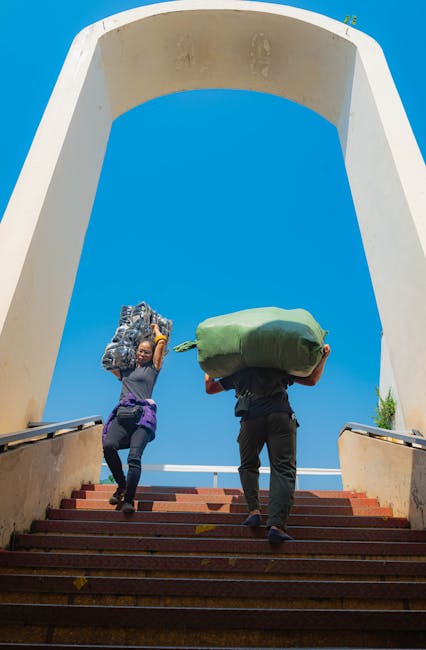
A long carry is any move where the item journey from the property to the loading point takes longer than usual. Sometimes that means a long corridor. Sometimes it means a lift at the end of a hall, a flight of stairs, another landing, then another door. In practice, a long carry can affect:
- how long the move takes
- how many people are needed
- whether furniture needs extra wrapping
- if the lift can be used safely
- how the van is parked and loaded
That last one matters more than people think. If the van cannot stop close enough, the team spends extra time shuttling items, and timing gets stretched. Truth be told, a ten-minute access issue can easily turn into a much bigger headache. And on a street like Westbourne Terrace, where access can be tight and parking is never something to leave to luck, that makes planning worth its weight in tea.
If you are comparing move types or thinking about what service level you need, it can help to look at broader moving options first. Pages like removals in Paddington, flat removals, and man and van support can give you a clearer sense of how the job might be handled.
How Long carry moves on Westbourne Terrace: stair & lift tips Works
At its core, a long carry move is just a move with an access challenge. But the practical reality is a little more layered. A removal team normally looks at three things first: the distance from the door to the van, the vertical access, and the type of items being moved.
Here is how it usually plays out:
- Access is assessed in advance. That may be through photos, a call, or a quick walkthrough. The team checks stairs, lift size, turning space, and where the vehicle can wait.
- The route is planned. For example, whether items should go through the lift, down stairs, or via a service entrance. Sometimes the "shortest" route is not the safest route.
- Items are prepared for movement. Sofas, mattresses, mirrors, and cabinets usually need protection for corners, handles, and surfaces.
- Loading is sequenced. Heavier items go first, fragile items are kept separate, and repeated trips are kept to a minimum.
- The team adjusts on the day. Because, let's face it, lifts decide to be moody at the worst possible moment. Someone else has booked it. The doors are slow. It happens.
In a building with a lift, the question is not just "is there one?" but "is it usable for this job?" A lift may be present but too small for wardrobes or divan bases. It may have weight restrictions. It may require padding inside. Or it may be shared with other residents and therefore not available for long blocks of time.
Stairs bring a different set of issues. Wide stairwells are manageable. Tight bends, low ceilings, and awkward banisters are where handling becomes slower and more deliberate. On the plus side, good stair technique can reduce the chance of damage, and experienced movers know how to pause, rotate, and re-grip without rushing. That little bit of patience saves trouble later.
If you need packing support before the move, the site's packing and boxes guidance and the practical advice to package your items and wait for the crew can help the day run more smoothly.
Key Benefits and Practical Advantages
Long carry planning is not just about making the removals team's life easier. It gives you a better move, full stop.
- Less damage risk: Proper routes and correct handling reduce knocks to walls, bannisters, doors, and furniture edges.
- Better time control: Once the access path is understood, the schedule becomes far more realistic.
- Safer lifting: Fewer sudden twists, fewer rushed steps, fewer "we can probably manage it" moments that later feel unwise.
- Cleaner loading: Items can be staged properly, which keeps the van organised and avoids a chaotic pile-up at the kerb.
- Less disruption to neighbours: A tidy plan means fewer blocked hallways and less back-and-forth traffic through shared spaces.
There is also a stress benefit, which people often underestimate. When you know the lift booking, the stair route, and the loading point are all sorted, you can focus on the actual move. That feels different. Quieter, almost. You do not spend the morning wondering if the sofa will fit or whether the driver will have to park half a street away.
For commercial moves or mixed-use buildings nearby, checking broader service options like office removals or furniture removals can be useful if the job includes awkward or bulky items.
Who This Is For and When It Makes Sense
This kind of planning is useful for far more people than you might expect. You do not need to be moving from a seventh-floor flat to need long-carry thinking.
It makes sense if you are:
- moving from a basement or top-floor flat
- in a building with a small or shared lift
- dealing with large furniture, white goods, or fragile pieces
- on a street where the van cannot stop directly outside the entrance
- trying to move during a tight time window
- coordinating a move with neighbours, concierge staff, or building management
A simple example: you are leaving a second-floor flat on Westbourne Terrace with no lift, a narrow stairwell, and a Victorian-style turn halfway down. In that situation, the move is not "small" just because the property itself is a one-bedroom. The access makes it a proper job. On the other hand, a first-floor flat with a roomy lift and short loading distance may be straightforward even if the furniture is fairly substantial. Context matters a lot.
This is also where local awareness helps. Westbourne Terrace is close enough to busy Paddington routes that timing, vehicle access, and parking are not things to leave vague. If your move needs a little more planning, it may be worth reading about removal services in Paddington or a man with van in Paddington depending on the size of the job.
Step-by-Step Guidance
Here is the practical version. Not the glossy version. The one that actually helps on moving day.
- Measure the access route. Check stair width, landings, lift dimensions, ceiling height, and any turns that could catch larger items.
- Photograph the tricky spots. A quick set of photos of the entrance, hallway, lift, stairwell, and parking point can tell a mover a lot more than a guess over the phone.
- Confirm the loading point. Decide where the van can legally and safely stop. If there is any uncertainty, build in extra time. Always.
- Separate fragile and heavy items. Books, crockery, and office files are handled differently from wardrobes or sofas. It sounds obvious, but people pack mixed boxes more often than you would think.
- Book lift use if needed. If the building requires advance booking or a deposit, sort it early. A lift unavailable at 9:30 a.m. can throw the whole chain off.
- Protect the building. Use blankets, corner guards, and floor protection where appropriate. Shared hallways do not forgive careless corners.
- Stage items near the exit where allowed. This reduces repeated carrying through the flat. Just do it in a safe, non-blocking way.
- Keep a clear path. Shoes, plant pots, recycling, and that one mysterious pile of cables all become trip hazards faster than expected.
- Have essentials set aside. Keys, documents, chargers, medication, and kettle basics should travel separately if possible. You do not want to be hunting for them under a duvet at 8 p.m.
If the move has a same-day element, it is wise to review same day removals in Paddington before the date, because access issues matter even more when time is tight.
Expert Tips for Better Results
After enough moves, a few patterns become obvious. These are the things that save time without making the job feel rushed.
- Do not assume the lift is the answer. A lift can be better, or it can be slower than stairs for certain items. Sometimes the best route changes item by item.
- Pack by carry difficulty, not just by room. A heavy box from the bedroom may need to go out before a lighter one from the kitchen if it is awkward to manoeuvre later.
- Use smaller boxes for dense contents. Books, records, and kitchenware become surprisingly heavy. Smaller boxes are easier on stairwells and backs.
- Wrap corners properly. The first thing to catch on a stairwell is often not the widest side of the item; it is the corner you forgot about.
- Keep communication short and clear. "Pause at the landing" or "take the lift, not the stairs" is better than long explanations in the middle of a carry.
One small human truth: movers tend to remember the route better than the customer does. That does not mean you should hand over every detail and hope for the best. It just means a concise heads-up is usually enough. If you know the lift runs slowly, say so. If the stairwell narrows at the second turn, mention it. Simple.
For specialist items, you may need targeted help. A piano removals service is a good example, because pianos are heavy, awkward, and not something you want to "just see how it goes" with. The same goes for fragile storage needs, where using storage options in Paddington can reduce pressure on a tight move day.
Common Mistakes to Avoid
A lot of moving stress comes from a few avoidable mistakes. Nothing dramatic. Just the sort of things that quietly snowball.
- Leaving access checks until the morning of the move. By then, it is usually too late to adjust parking, lift booking, or team size.
- Forgetting to mention small lifts. A lift that exists but cannot fit a sofa upright still changes the plan completely.
- Underestimating stairs with turns. Straight stairs are one thing. Tight bends and landings are another beast entirely.
- Packing boxes too heavy. A box that is manageable from the floor can feel very different on a stair flight. Very different.
- Not protecting walls and railings. Damage in shared buildings can get awkward, fast.
- Assuming the van can wait anywhere. On busy London roads, that assumption causes trouble.
There is also a psychological mistake: expecting the day to feel "easy" because the property is not huge. Yet the access can make a compact move more demanding than a larger one. People sometimes laugh at this after the fact. Not during it.
Tools, Resources and Recommendations
You do not need fancy equipment, but the right basics help a lot. A good moving day is usually built on simple tools used properly.
| Tool or resource | What it helps with | Why it matters on Westbourne Terrace |
|---|---|---|
| Measuring tape | Checking lift and stair dimensions | Prevents surprises with large furniture |
| Furniture blankets | Surface protection during carries | Useful in narrow hallways and tight turns |
| Corner protectors | Shielding doors and walls | Especially handy in shared buildings |
| Strong tape and labels | Organising boxes and fragile items | Speeds up loading and unloading |
| Lift booking information | Confirming time slots and restrictions | Stops avoidable delays |
Some people also benefit from using a professional packing service when access is limited, because poorly packed boxes are harder to carry and more likely to split. If that sounds familiar, the page on packing and boxes in Paddington is a sensible place to start. For people who prefer the simplest possible setup, delivery at the best time for you can also be a useful service fit.
Law, Compliance, Standards, or Best Practice
For a move like this, the practical side and the compliance side overlap quite a bit. There may not be a single dramatic rule that changes everything, but good practice does matter.
In the UK, moving teams and customers both have a general duty to avoid unsafe lifting and to manage risk sensibly. In plain English: do not force items through routes that are too tight, do not overload a lift beyond its intended use, and do not create hazards in shared areas. That is just common-sense best practice, though it also aligns with standard health and safety expectations.
For residents in managed blocks, building rules can be just as important as transport rules. Lift booking policies, noise windows, service access requirements, and protection of communal areas are often set by the building management rather than the removal team. It is worth checking those early so you do not have an awkward conversation in the lobby while someone holds a door open with a foot. Not ideal.
Insurance is another sensible consideration. If you are moving valuable or delicate furniture, you want to understand what cover exists and what it excludes. A trustworthy mover should be able to explain this clearly. If you want more background on this side of things, the pages on insurance and safety and health and safety policy are worth reviewing. If security and payment process matter to you, payment and security is also relevant.
Options, Methods, or Comparison Table
There is no one-size-fits-all approach to long carry moves. The right method depends on access, item size, and how much you want to handle yourself.
| Method | Best for | Pros | Trade-offs |
|---|---|---|---|
| Stairs only | Small to medium items, good stair access | Simple, often faster than waiting on a lift | Tiring for heavy furniture and risky for bulky pieces |
| Lift only | Flat-packed items, boxes, lighter furniture | Reduces carrying strain | Can be slow, small, or subject to booking restrictions |
| Mixed access | Most real-world moves | Flexible and often safest | Needs coordination and clear decision-making on the day |
| Professional packing and removal support | Busy schedules, awkward access, fragile loads | Less stress, fewer handling errors | Costs more than doing everything alone |
For many Westbourne Terrace properties, mixed access is the reality. Maybe boxes can use the lift, but the sofa has to go via the stairwell. Maybe the lift is fine for the first run and then the timing changes. That is not a failure of planning. It is just London.
If you are still deciding what level of help you need, you might find the wider service pages on services overview and removal companies in Paddington useful for comparing approaches.
Case Study or Real-World Example
A typical Westbourne Terrace move might involve a two-bedroom flat on an upper floor, shared entry access, and a lift that looks promising until you realise it is best suited to people, not wardrobes. On paper, the job seems manageable. In reality, one tall bookcase, a mattress, and a few heavy boxes change the rhythm completely.
In one common scenario, the team arrives early, checks the lift, and realises the stairwell is actually safer for the biggest item because the lift doors are too narrow for it to enter flat. The crew then uses the lift for boxes and smaller pieces, while the bookcase goes down the stairs with two people guiding it at the turns. A third person waits at the bottom to stabilise the item before loading. No drama. No shouting. Just method.
The important bit is not that the move was difficult. It is that the difficult bit was anticipated. That anticipation saves time and keeps the flat intact. A wall scuff on a freshly painted corridor can turn a decent moving day into a very annoying one. Nobody wants that. Nobody.
For residents moving out of similar Paddington streets, guides such as removals near Paddington Station and route timing advice and moving from Sussex Gardens to Little Venice tips are useful because they reflect the same broader access and timing realities.
Practical Checklist
Use this before moving day. It is simple, but it catches the usual surprises.
- Measure stairs, landings, lift doors, and hallway turns
- Confirm where the van can park or stop
- Check if lift booking is required
- Tell the mover about heavy or awkward items
- Separate fragile boxes from standard boxes
- Protect floors, doors, and corners where needed
- Clear hallways, entryways, and exits
- Keep keys, documents, and essentials with you
- Plan for neighbour access and shared spaces
- Build in extra time for access delays
Quick takeaway: if the route from the flat to the van is not straightforward, treat access planning as part of the move itself, not an extra detail. That one shift in mindset makes a real difference.
Conclusion
Long carry moves on Westbourne Terrace are rarely about brute strength. They are about route choice, timing, lift use, stair safety, and clear communication. Once you understand that, the whole process becomes much more manageable. A good plan can save time, protect furniture, and reduce the sort of stress that lingers long after the last box is gone.
To be fair, not every move needs a complicated strategy. But when access is tight, even a small amount of preparation goes a long way. That is especially true on streets like Westbourne Terrace, where elegance on the outside can hide a perfectly awkward stairwell within. If you are calm, clear, and realistic about the access, you are already halfway there.
If you are moving soon and want the job handled with less fuss, check the relevant moving support pages, compare your options, and plan the access properly before the first box leaves the room.
Get a free quote today and see how much you can save.
Frequently Asked Questions
What counts as a long carry move on Westbourne Terrace?
A long carry move is any move where the distance from the property to the van is unusually long, or where stairs, lifts, corridors, or access points make the carrying route more demanding than standard.
Should I use the stairs or the lift for moving furniture?
It depends on the item. Boxes and lighter pieces often suit the lift, but larger items may be safer on the stairs if the lift is too small or awkward. Sometimes a mixed approach is best.
How do I know if my lift is suitable for removals?
Check the lift dimensions, door width, weight limits, and any building rules. If you are unsure, measure the largest item and compare it to the lift opening and cabin space.
Do I need to warn the removals team about stairs?
Yes. Always. A quick note about narrow staircases, sharp turns, low ceilings, or difficult landings helps the team plan safely and avoid delays.
Can a sofa go through a small lift?
Sometimes, but not always. Even if the sofa seems to fit, the angle, door width, and cabin space may make it impractical. It is best to measure first rather than guess.
What should I do if the van cannot park close to the building?
Tell the mover in advance and allow extra time. A longer walking distance from the property to the van usually changes labour time and the way the crew stages the load.
How can I protect walls and bannisters during a move?
Use furniture blankets, corner protection, and careful route planning. The team should move slowly at turns and communicate clearly when handling large items.
Is it more expensive when there is a long carry?
Often, yes, because access difficulty can affect labour time and team size. The exact cost depends on the property, item list, and how long the carry takes in practice.
What items are hardest to move on stairs?
Large wardrobes, sofas, mattresses, pianos, and heavy book boxes are usually the most awkward. Anything bulky or weighty becomes harder on tight staircases.
Should I pack differently for a move with stairs and lift access?
Yes. Use smaller boxes for dense items, label fragile boxes clearly, and keep heavy contents manageable. That makes carrying safer and quicker.
Can I book help for just the awkward items?
Yes, in many cases. Some people use professional support for bulky furniture while handling smaller boxes themselves. It is a sensible middle ground if you want to reduce strain without overbooking the job.
What is the best way to prepare for a move on Westbourne Terrace?
Measure access, confirm lift use, check parking, and tell the movers about any obstacles early. A calm plan beats a rushed one every time, especially in a busy London street.